
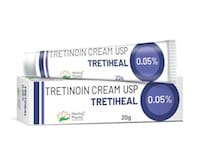
Buy Tretinoin Cream Online for the Best Price Today
Mastering the Application Ritual
Think of tretinoin like a high-performance engine. If you slam the pedal to the floor without warming up, you might just blow a gasket. Applying this retinoid shouldn’t feel like a frantic sprint. Instead, treat it as a quiet evening ritual that requires patience and a gentle touch to avoid the dreaded “retinoid purge.”
First, make sure your face is clean. Use a mild, non-stripping cleanser to remove the day’s grime without stripping your moisture barrier. Pat your skin dry with a soft towel. You should never apply tretinoin to damp skin, as this can cause the medication to penetrate too deeply and trigger irritation.
Wait at least twenty minutes until your skin feels completely dry. This waiting period is the secret to success. If you rush, you might wake up with a face that feels like it has been rubbed with sandpaper. Patience pays off, especially when you are dealing with potent Vitamin A derivatives.
The Art of the Pea-Sized Amount
Less is truly more when you are navigating this skincare minefield. You only need a single, pea-sized amount for your entire face. It sounds like a drop in the ocean, but that tiny dollop is incredibly potent. Using more won’t speed up your results; it will only invite redness and peeling into your life.
Dot the cream onto your forehead, cheeks, and chin. Avoid the sensitive real estate around your eyes, the corners of your nose, and the edges of your mouth. These areas are prone to cracking. Think of these spots as “no-fly zones” for the active medication during your nightly routine.
Spread the dots into a thin, even layer. You aren’t looking for a thick mask. You want a sheer veil that disappears into the skin. If you see white streaks, you have used too much. If your skin feels tight, you might need to buffer the product with a moisturizer first.
For those with sensitive skin, the “sandwich technique” is a total game-changer. Apply a thin layer of moisturizer, then your tretinoin, and then another layer of moisturizer. This creates a protective buffer that mitigates irritation without negating the benefits. It is like wearing a soft cushion before a workout.
Managing the Transition Period
Expect a bit of a roller coaster ride during the first few weeks. You might see some initial dryness or minor breakouts as your skin cells begin their rapid turnover. Don’t panic and throw the tube in the trash just yet. This is often a sign that the medicine is actually doing its job.
If the irritation becomes unbearable, it is time to scale back. You don’t have to use it every single night right away. Start with two or three times a week and slowly increase the frequency as your skin builds up its tolerance. It is a marathon, so take it one step at a time.
Hydration is your best friend during this phase. Look for ingredients like ceramides and hyaluronic acid to bolster your skin’s natural defenses. Think of your skin barrier as a brick wall. Tretinoin is renovating the bricks, so you need plenty of “mortar” to keep everything stable and intact.
Keep a watchful eye on how your skin behaves. If you notice intense stinging or persistent redness, take a break for a few days. Listen to your skin; it talks to you through sensation. Sometimes, the best way to master the ritual is knowing when to step back and let it rest.
Ritual Logistics and Costs
Consistency is the bedrock of any successful tretinoin journey. You cannot use it sporadically and expect a miracle. Set a reminder on your phone or tie the application to an existing habit, like brushing your teeth. Making it a habit ensures you don’t miss a beat in your transformation.
While you are managing your routine, you will likely find yourself restocking a supporting cast of skincare products. Here is a quick breakdown of what you might spend to keep your ritual running smoothly:
| Product Type | Estimated Monthly Cost | Purpose |
| Gentle Cleanser | $15 – $25 | Maintaining the barrier |
| Ceramide Cream | $20 – $40 | Soothing irritation |
| Mineral Sunscreen | $15 – $30 | Essential UV protection |
Remember, sunscreen is non-negotiable. Tretinoin makes your skin incredibly sensitive to the sun. If you aren’t wearing SPF 30 or higher every single morning, you might as well be throwing your cream down the drain. Protecting your progress is just as important as the application itself.
Comparing Potency Levels and Concentrations
Stepping into the world of prescription retinoids can feel like walking into a dark room without a flashlight. You know there is something powerful waiting for you, but you aren’t quite sure where to step first. Choosing the wrong strength can lead to a skin disaster that takes months to fix.
Most people begin their journey with a low-strength formula to test the waters. Think of it as dipping your toe into a swimming pool before diving into the deep end. Jumping straight into a heavy-duty concentration is a recipe for a red, angry face that feels like a sunburn.
The concentrations typically range from 0.025% to 0.1%. While 0.1% might sound like the gold standard, it is often too aggressive for the average complexion. It is much better to work your way up the ladder slowly than to burn your bridges with high-strength irritation.
Understanding these levels helps you navigate the pharmacy aisle with confidence. You want a product that works with your biology, not against it. It is a delicate balance between stimulating cellular turnover and maintaining a healthy, intact skin barrier throughout the process.
Navigating the Strength Spectrum
The 0.025% concentration is the gentle introduction many dermatologists recommend for beginners. It is the “training wheels” of the tretinoin world, providing a subtle nudge to your skin’s natural renewal process. It allows your cells to adjust to the sudden increase in turnover without causing a total meltdown.
Moving up to 0.05% is where things usually get interesting for most users. This is often the “sweet spot” for those who have successfully acclimated to the lower dose. It offers a significant boost in efficacy for acne and fine lines, provided your skin is feeling resilient.
The 0.1% strength is the heavy hitter, often reserved for stubborn cases of acne or deep wrinkles. It is the sledgehammer of the group. Using this level requires a high degree of skin toughness and a very disciplined, moisture-heavy skincare routine to prevent extreme dryness.
Choosing between these levels is not a one-size-fits-all situation. Your skin’s unique history, sensitivity, and goals will dictate your path. Some people find their perfect match at 0.025% and stay there forever, while others eventually graduate to higher concentrations as their skin hardens.
The following table provides a general comparison of common prescription formats and their typical market pricing:
| Concentration Level | Typical Monthly Cost | Best Suited For |
| 0.025% Cream | $25 – $45 | Sensitive skin/Beginners |
| 0.05% Cream | $30 – $55 | Moderate acne/Aging |
| 0.1% Cream | $40 – $75 | Stubborn wrinkles/Acne |
| 0.1% Gel | $35 – $65 | Oily skin types |
The Texture Factor: Cream vs. Gel
It isn’t just about the percentage; the vehicle—the base that carries the medicine—matters immensely. Creams are generally more emollient and soothing, making them the preferred choice for those with dry or dehydrated skin. They act like a soothing balm that helps mitigate the drying effects of the medication.
Gels are much lighter and absorb almost instantly. If you have skin that is an absolute oil slick by midday, a gel might be your best friend. However, be warned: gels can sometimes feel a bit more stinging because they don’t offer the same buffering as a cream.
Some people find that the texture of the product is the deciding factor in whether they can stick to the routine. If a cream feels too heavy or clogs your pores, you might struggle with consistency. Finding a texture that you actually enjoy applying every night is half the battle.
Ultimately, your skin will tell you which one it prefers. If you experience excessive flaking, try switching from a gel to a cream. If you feel like your skin is suffocating, a lightweight gel might be the breath of fresh air you need to stay on track.
Navigating the Cost of Prescription Skincare
Walking into a pharmacy can feel like entering a high-stakes auction. You might see a price tag that makes your eyes water, leaving you wondering if your complexion is worth a small fortune. It is easy to feel like you are being taken for a ride when comparing retail prices to what your insurance might cover.
The truth is that prescription skincare is rarely a flat fee. You are paying for the medical expertise of the provider and the specialized manufacturing of the compound. It is a bit like buying a custom-tailored suit rather than something off the rack; the precision comes with a premium price tag.
Many patients find themselves playing a game of financial Tetris, trying to balance their budget with their beauty goals. You might find that a generic version is a total steal, while a brand-name formulation costs an arm and a leg. Understanding these variables is the first step toward making a smart, sustainable investment.
Budgeting for tretinoin requires a long-term perspective. This is not a quick fix you buy once; it is a marathon. You need to account for the monthly cost of the medication alongside the extra moisturizers and sunscreens you will inevitably need to purchase to manage the transition.
Smart Strategies for Savings
If you think the sticker price is the only way to go, think again. There are several clever ways to trim the fat from your monthly skincare bill. Many people find success by using prescription discount cards, which can sometimes drop the price of a tube from $80 down to $25.
Pharmacy shopping is also a vital skill in this ecosystem. Not all pharmacies are created equal, and some may have much higher markups on specialty items. It is worth making a few phone calls or checking online portals to see if a different local shop offers a better deal on your specific prescription.
Another way to save is to look into compounded options. Rather than buying a single-use tube from a high-end boutique, a compounding pharmacy can often mix the cream to your exact specifications for a much lower cost. It is a way to get exactly what you need without paying for fancy packaging.
Don’t forget to check with your insurance provider before you head to the counter. Some plans view tretinoin as a medical necessity for acne, while others treat it as a cosmetic luxury. Knowing which category your insurance places you in can save you from a very awkward moment at the checkout lane.
- Use discount cards to lower out-of-pocket expenses.
- Compare prices between local retail pharmacies and online mail-order services.
- Inquire about generic versions to save significant amounts of money.
- Verify insurance coverage for dermatological prescriptions early.
The Hidden Costs of the Routine
The real cost of tretinoin isn’t just the tube itself; it is the support system required to use it. You cannot simply slap this on and go to bed without a plan. You will likely need a high-quality, non-comedogenic moisturizer to act as a safety net for your skin barrier.
Sunscreen is non-negotiable when you are using retinoids. Because tretinoin makes your skin more sensitive to UV rays, a daily SPF 30 or higher is a mandatory expense. If you try to skip this step to save a few dollars, you might end up paying much more in sun damage later.
Some users also find they need gentle, non-exfoliating cleansers to avoid over-stripping their skin. It is a bit of a domino effect; one prescription product often necessitates a complete overhaul of your entire bathroom cabinet. It is a significant upfront investment that settles into a predictable monthly rhythm.
Think of it as an ecosystem rather than a single product. You are building a fortress around your skin to protect it while it undergoes its transformation. While the initial setup might feel like a heavy lift for your wallet, the long-term results often justify the price of admission.