
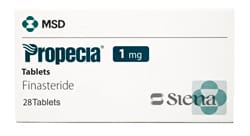
Buy Propecia Online Today for Fast Shipping and Best Prices
How Finasteride Works to Halt Hair Loss
Think of your scalp like a garden where certain biological weeds try to choke out your precious foliage. In men, a specific hormone acts like a persistent frost, slowly killing off the roots of your hair follicles. Finasteride steps in as a specialized gardener, working quietly beneath the surface to stop this damage before it becomes permanent.
The real culprit behind male pattern baldness is a hormone called dihydrotestosterone, or DHT. It is essentially a more aggressive, potent version of your natural testosterone. As we age, our bodies tend to convert more testosterone into this DHT, which then attacks the hair follicles, causing them to shrink, or miniaturize, until they eventually stop producing hair altogether.
Finasteride doesn’t just mask the problem; it attacks the root cause. It works by inhibiting an enzyme known as 5-alpha reductase. This enzyme is the primary factory responsible for turning testosterone into DHT. By slowing down this assembly line, the medication ensures there isn’t enough fuel for the hair-destroying hormone to wreak havoc on your scalp.
Imagine a dam holding back a flood of water. Finasteride acts like a barrier that lowers the pressure of the current. By reducing the concentration of DHT in your bloodstream and scalp tissue, the medication allows your follicles to breathe again. This prevents the inevitable cycle of thinning that many men find so distressing as the years tick by.
The Biological Mechanism of Action
To get a bit more technical, the 5-alpha reductase enzyme exists in several different types. Finasteride specifically targets Type II, which is the primary version found in the skin and hair follicles. By binding to this enzyme, the drug effectively locks it, preventing it from performing its usual chemical transformation on the testosterone molecules.
When the DHT levels drop, the hair growth cycle undergoes a significant shift. Instead of entering the telogen (resting) phase prematurely, the hairs stay in the anagen (growth) phase for much longer. This is why many men notice that their hair feels thicker and more resilient after several months of consistent, daily usage.
It is not an overnight miracle, though. Much like training for a marathon, the biological changes take time to manifest. You won’t wake up with a full head of hair after a single dose. It requires a steady, unwavering presence in your system to keep those hormone levels in check and maintain the integrity of your hair follicles.
Clinical studies have shown that this hormonal suppression is remarkably effective at stabilizing hair loss. While it might not regrow hair that has been gone for decades, it is incredibly proficient at saving what you still have. For many, keeping their current hairline is a massive victory in the battle against genetics.
Comparing Hormonal Impact and Results
Understanding how this medication alters your internal chemistry is vital for setting realistic expectations. It is a game of balance, shifting the scales back toward a more hair-friendly environment. Below is a simplified look at how the hormonal shifts generally impact the scalp environment during treatment.
| Hormone Component | Without Finasteride | With Finasteride |
| DHT Levels | High (Causes Miniaturization) | Significantly Reduced |
| Follicle Health | Shrinking/Dormant | Stabilized/Active |
| Hair Growth Cycle | Shortened Anagen Phase | Extended Anagen Phase |
Consistency is the golden rule when navigating this path. If you skip doses, those DHT levels can begin to creep back up, potentially undoing some of the progress you have fought so hard to achieve. It is a marathon, not a sprint, and your follicles rely on that daily, consistent dose to stay healthy.
Many users find that the cost of maintaining this regimen is a small price to pay for the peace of mind it provides. Depending on the pharmacy and the quantity purchased, you might see prices ranging from $15 to $50 per month. Investing in your confidence is a journey that starts with understanding these complex biological processes.
- DHT Suppression: Reduces the primary hormone responsible for follicle miniaturization.
- Follicle Preservation: Helps prevent existing hairs from becoming thinner and shorter.
- Cycle Regulation: Extends the active growth phase of the hair lifecycle.
- Stabilization: Prevents the progressive loss of hair density over time.
Standard Dosage and Daily Regimen
When you first start this journey, the most important thing to remember is that timing is everything. For most men, the standard protocol involves taking one 1mg tablet every single day. It is a simple instruction, yet it is the foundation upon which all successful hair maintenance is built. Think of it like brushing your teeth; it is a small, daily habit that prevents much larger problems later.
You should aim to take your dose at the same time each day to keep the concentration of the medication in your bloodstream steady. Some people prefer taking it in the morning with breakfast, while others find it easier to remember before they head to bed. The most important factor isn’t the specific hour, but rather that you don’t let a day slip by unnoticed.
Consistency is the bedrock of success here. If you treat this like an optional vitamin, you may find your results plateauing or even reversing. The goal is to maintain a constant shield against DHT. Skipping doses is like turning off a security system for a night; it leaves your follicles vulnerable to the very hormones you are trying to suppress.
It is also wise to swallow the tablet whole with a glass of water. Do not attempt to crush, chew, or break the pill, as this can interfere with how the medication is absorbed by your body. Keeping the integrity of the tablet intact ensures that the active ingredients are released into your system exactly as the manufacturer intended for maximum efficacy.
Managing Your Supply and Budget
Navigating the various ways to purchase your supply can feel like walking through a maze. Some men prefer the convenience of monthly subscriptions, while others find that buying in bulk is the smartest way to keep their hair and their wallet happy. You will want to weigh the convenience of fast shipping against the significant savings found in larger quantities.
Prices can fluctuate quite a bit depending on whether you are buying from a local pharmacy or an online provider. It is often helpful to look at the cost per pill rather than the total price of the bottle. This allows you to see the true value of each option. Below, I have outlined some common purchasing scenarios to help you plan.
The following table compares various common ways people manage their monthly supply and the associated costs they might encounter.
| Purchase Option | Quantity Provided | Estimated Monthly Cost | Terms & Details |
|---|---|---|---|
| Monthly Subscription | 30 Tablets | $35 | Auto-ship every 30 days |
| Three-Month Supply | 90 Tablets | $85 | Best value for steady users |
| Six-Month Bulk Pack | 180 Tablets | $150 | Maximum savings per pill |
| Single Month (Retail) | 30 Tablets | $50 | One-time purchase, no commitment |
Long-Term Expectations and Maintenance
Patience is a virtue that is sorely tested when you are looking in the mirror every morning. You won’t see a dramatic transformation in a week or even a month. Most clinical data suggests that it takes three to six months of uninterrupted daily use before you notice any real change in hair density or texture. It is a slow, steady climb toward better hair health.
Once you do see results, the temptation might be to stop the medication since the “work” seems done. However, stopping the regimen is a bit like letting the air out of a balloon. The DHT levels will eventually rise back to their original state, and the hair loss will resume its previous pace. To keep what you’ve gained, you must keep the routine alive.
Many men find that once they reach a stable plateau, they can continue the regimen indefinitely to maintain their results. It becomes a part of their lifestyle, much like a daily workout or a skincare routine. While the idea of a lifelong commitment sounds heavy, most find the trade-off for hair retention to be well worth the effort.
Ultimately, the regimen is about reclaiming control over a biological process that often feels out of your hands. By sticking to the 1mg daily dose, you are taking an active role in your grooming and confidence. It requires discipline, yes, but the reward is a much more stable and predictable hair growth journey over the long haul.
Comparing Propecia to Generic Finasteride
Choosing between the brand-name Propecia and generic finasteride is a bit like deciding between a designer suit and a high-quality tailor-made alternative. Both options aim to deliver the same essential result: a reduction in DHT levels. However, the experience of purchasing and using them can feel worlds apart when you look closely at the details.
Propecia carries the weight of years of extensive clinical research behind its name. When you reach for that orange bottle, you are paying for the peace of mind that comes with a brand that has been under the microscope for decades. It is the gold standard that paved the way for everyone else in the field of hair restoration.
On the other hand, generics are the workhorses of the pharmaceutical world. They are chemically identical in terms of the active ingredient, meaning they are designed to perform the exact same job. For many men, the switch to generics is a “no-brainer” because it keeps the hair growing without draining the bank account.
The Science of Bioequivalence
You might wonder if the cheaper pill is just a “knockoff” that lacks the punch of the original. In the pharmaceutical industry, the term bioequivalence is the ultimate litmus test. This means the generic must deliver the same amount of active medication into your bloodstream at the same rate as the brand name.
Think of it like two different brands of white sugar. One comes in a fancy glass jar with a premium label, while the other comes in a plain plastic bag. When you dissolve them in your coffee, the sweetness—the actual chemical effect—is indistinguishable. The body doesn’t care about the logo on the box; it only cares about the molecules.
That being said, the “inactive” ingredients can sometimes be the culprit behind minor differences. These are the fillers, binders, and dyes used to hold the pill together. While they don’t change the efficacy, a few sensitive individuals might notice a slight difference in how a pill looks, feels, or dissolves in their stomach.
If you have a history of allergies to specific food dyes or lactose, you should pay closer attention to the label. Most men will never notice a difference, but a keen eye can prevent any unexpected digestive hiccups. For the vast majority, the transition from Propecia to a generic is a seamless part of their daily routine.
Analyzing the Cost Gap
Money doesn’t grow on trees, and when you are looking at a multi-year commitment, the math starts to matter. Propecia often carries a significant premium due to the marketing and research costs baked into the price. It is a luxury item in the world of hair maintenance, often costing significantly more per month.
Generics, by contrast, thrive on competition. Because multiple manufacturers are fighting for your business, prices tend to stay much lower. It is a classic case of market dynamics working in your favor. Over a decade, the difference in what you spend can be enough to fund a luxury vacation or a high-end wardrobe.
I remember a client who was hesitant to switch, fearing he was losing out on quality. After seeing his monthly savings jump from $60 to $20, he realized he was essentially paying a “brand tax” for no clinical gain. Once the hair stayed thick and the wallet stayed full, he never looked back at the expensive brand.
When you are sitting down to do your budget, consider these typical price points to see how the two compare in the real world:
| Feature | Propecia (Brand) | Generic Finasteride |
| Active Ingredient | Finasteride (1mg) | Finasteride (1mg) |
| Clinical Testing | Extensive/Proprietary | Required Bioequivalence |
| Typical Monthly Cost | $50 – $70 | $15 – $30 |
| Availability | Pharmacy/Online | Pharmacy/Online |
Where to Buy Propecia Safely Online
Navigating the digital pharmacy landscape can feel like walking through a minefield. You might think you’ve found a steal, only to realize later that the “deal of a lifetime” was a clever trap. It is vital to remember that your health is not a bargain bin item where you should cut corners.
The internet is a vast ocean of possibilities, but not every ship is seaworthy. While some sites are legitimate pillars of the medical community, others are nothing more than ghosts designed to take your cash and vanish. You need a reliable compass to navigate these waters without getting caught in a storm.
Safety isn’t just about getting your package in the mail; it is about the integrity of the pills inside. A counterfeit pill might contain nothing more than chalk or, worse, dangerous impurities. When you are investing in your self-confidence, you deserve to know that what you swallow is exactly what the label claims.
Always look for the “green flags” of a reputable vendor. These are the digital markers that separate the professionals from the predators. If a site looks like it was designed in 1998 and offers prices that seem too good to be true, trust your gut and run the other way.
Identifying Legitimate Digital Pharmacies
The first rule of thumb is to check for a valid prescription requirement. Because Propecia is a regulated medication, a legitimate online pharmacy will always require a consultation or a doctor’s order. If a website offers to ship medication directly to your door without any medical oversight, it is a massive red flag.
Look for certifications that act as a seal of approval for your safety. In the United States, for example, you want to see the VIPPS (Verified Internet Pharmacy Practice Sites) seal. This isn’t just a fancy logo; it is a sign that the pharmacy has met rigorous standards for quality and safety.
I once heard a story about a man who ordered from a site that looked incredibly professional. It had all the bells and whistles, but when his order arrived, the pills looked like crushed candy instead of professional tablets. He had fallen for a high-quality facade, a lesson learned the hard way through wasted time and money.
A trustworthy vendor will also provide transparent information about their shipping policies and return procedures. They won’t hide behind vague language or impossible customer service contact methods. You want a company that stands by its service and treats your medical needs with the gravity they deserve.
Red Flags to Avoid at All Costs
If a website promises “no prescription required” for Propecia, you should close that tab immediately. This is the quickest way to find yourself in a legal or medical bind. These sites often operate in the shadows, and the lack of medical supervision can lead to serious side effects being ignored.
Beware of the “miracle cure” language that drips from the screen. Real medicine is based on science and steady progress, not magic. If a vendor claims their version of the medication works “instantly” or has “zero side effects,” they are lying to your face. No medication is without risk, and honesty is non-negotiable.
Price is a major indicator, but it can be a double-edged sword. While we know generics are cheaper, an extreme discrepancy is a warning sign. If a site offers a three-month supply for $5, they are likely selling something that is not the real deal. It is better to pay a fair price than to pay nothing for a fake.
Keep an eye out for these common warning signs when browsing online retailers:
- Lack of contact information: Legitimate companies provide a real physical address and a working phone number.
- Unsecured websites: Always ensure the URL begins with https:// rather than just http://.
- Payment methods: Be wary of sites that only accept wire transfers or cryptocurrency, as these offer no buyer protection.
- Extremely low prices: If the cost is significantly lower than the market average, it is a trap.
Shipping Costs and Delivery Timelines
Navigating the Logistics of Your Order
Once you have finally pulled the trigger on your order, the real waiting game begins. Logistics can feel like a black box, leaving many patients wondering when their package will actually land on their doorstep. It is important to realize that shipping is not a one-size-fits-all affair in the pharmaceutical world.
Expectations should be managed carefully from the very first click. Some vendors offer lightning-fast delivery that arrives in a heartbeat, while others might take a few weeks to navigate international customs. Think of it like choosing between a direct flight or a scenic, multi-stop journey across the ocean.
The cost of getting your medication to you can vary wildly depending on the speed you crave. Some pharmacies treat shipping as a minor afterthought, while others offer premium, discreet options for those who value privacy above all else. You should always check the checkout page before confirming your payment details.
I remember a friend who was so eager to start his treatment that he opted for the cheapest shipping available. He spent three weeks staring at his mailbox like a hungry puppy, only to find out his package was stuck in a customs backlog. Patience is a virtue, but being informed is a necessity.
Comparing Delivery Options and Costs
When you are sitting at your computer, you will likely see a few different tiers of service. Most reputable sites provide a breakdown of what you are paying for. It is rarely just about the speed; it is also about the level of tracking and the security of the package itself.
Standard shipping is often the go-to for those on a budget. It is the slow and steady turtle of the delivery world, usually arriving within 7 to 14 business days. While it lacks the adrenaline of express mail, it is often the most cost-effective way to maintain your routine without breaking the bank.
If you are running low on pills and the hair loss is causing you sleepless nights, you might opt for expedited services. These services are the sprinters of the logistics industry. They can often get your order to you in just a few days, but you will certainly see that reflected in your final invoice.
Here is a general idea of how the pricing structures often look across various reputable online pharmacies:
| Shipping Method | Estimated Timeline | Typical Cost |
| Standard Ground | 7 – 14 Days | $5 – $10 |
| Expedited Air | 3 – 5 Days | $20 – $35 |
| Overnight/Priority | 1 – 2 Days | $45+ |
Factors That Influence Your Arrival Date
Not every delay is the fault of the pharmacy. Sometimes, the gears of global trade simply grind to a halt. Customs inspections are a common culprit, especially if your medication is being shipped from an international warehouse to your local doorstep. These checks are mandatory and can add several days to your wait.
Weather and seasonal shifts also play a role in the timeline. A heavy snowstorm in a transit hub can stall a shipment just as effectively as a broken-down delivery truck. It is best to view the estimated delivery dates as a “best-case scenario” rather than a concrete promise from the heavens.
Another thing to consider is the time of day you place your order. If you order at midnight on a Friday, your package might not even begin its journey until Monday morning. A little bit of foresight, such as ordering your refill a week before your current supply runs out, can save you a massive headache.
To ensure your delivery goes as smoothly as possible, keep these logistical tips in mind:
- Track your package: Always use the tracking number provided to monitor the movement of your shipment.
- Verify your address: A single typo in your street number can send your order on a wild goose chase.
- Check for holidays: Remember that postal services do not work on weekends or major national holidays.
- Monitor customs: If an international shipment is held, you may need to provide additional documentation to the carrier.
Total Cost of Treatment for One Year
Budgeting for long-term hair maintenance is a bit like planning a road trip across the country. You wouldn’t just look at the price of gas; you have to consider the tolls, the snacks, and the occasional unexpected repair. Propecia is not a “one and done” fix, but a continuous commitment to your scalp’s health.
When you look at the big picture, the monthly price tag is only one piece of the puzzle. To truly understand the financial weight of this regimen, you must calculate the cumulative expenses over twelve months. It is the difference between buying a single cup of coffee and paying for a year-long subscription.
Many men find themselves caught off guard by the sheer consistency required. You cannot simply skip a month because you are feeling frugal; stopping the medication can lead to the very hair loss you are trying to prevent. Think of it as a subscription service for your confidence, where the payments never truly end.
I remember a colleague who thought he could “cheat” the system by ordering smaller, cheaper quantities every few months. He ended up spending much more in the long run due to repeated shipping fees. He learned the hard way that bulk ordering is the golden rule for anyone serious about saving money.
Breaking Down the Annual Investment
To get a realistic view of your finances, we should look at the raw numbers. Prices can fluctuate based on whether you are buying a single-month supply or a massive six-month stockpile. Most savvy users realize that the more you buy at once, the more you save on the unit price.
Let’s look at a typical scenario for a standard 1mg dose. We will assume you are opting for a reliable, reputable source. This table provides a rough estimate of what your bank statement might look like depending on how frequently you place your orders throughout the year.
| Ordering Strategy | Estimated Annual Cost | Primary Advantage |
| Monthly Refills | $600 – $900 | Low upfront cost |
| Quarterly Supplies | $500 – $750 | Balanced approach |
| Bulk/6-Month Packs | $400 – $600 | Maximum savings |
It is important to keep a “buffer fund” aside for those pesky shipping costs we discussed earlier. If you choose express shipping every single time because you forgot to reorder, your annual total could easily climb by an extra $100 or $200. It is a small price to pay for peace of mind, but it adds up.
I once knew a guy who treated his pharmacy budget like a fine wine cellar. He only ever bought the highest quality, most expensive bulk options available. While he was incredibly disciplined with his money, his initial outlay was quite significant. He was playing the long game, and it certainly paid off.
Hidden Costs and Savings Strategies
Beyond the price of the pills themselves, there are subtle costs that can sneak up on you like a thief in the night. These aren’t always obvious on the product page. You have to be a bit of a detective to ensure you are getting the absolute best deal possible.
Currency conversion is a sneaky one. If you are ordering from an international vendor, your bank might tack on a small fee for processing a foreign transaction. It might only be $2 or $3 per order, but over a year, that is enough to buy a nice dinner out. Always check if your card charges these fees.
Subscription discounts are another way to keep your chin up. Many modern pharmacies offer a “set it and forget it” model. They will automatically ship your medication every few months, often at a discounted rate. It takes the mental load off your shoulders and keeps your hair—and your wallet—in top shape.
To keep your finances as smooth as a well-shaven face, keep these tips in your back pocket:
- Buy in bulk: Always look for 3-month or 6-month bundles to drive down the per-pill cost.
- Watch the shipping: Consolidate your orders so you aren’t paying for shipping multiple times a year.
- Check for coupons: Some reputable sites offer seasonal sales or first-time buyer discounts.
- Monitor exchange rates: If buying internationally, timing your purchase when the dollar is strong can save money.