
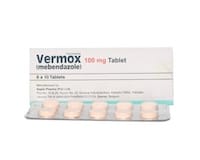
Buy Vermox Online at the Best Prices Today
Dosage Protocols and Administration Specifics
Getting the timing right for your medication can feel like trying to hit a moving target in a dark room. For most adults dealing with intestinal intruders like pinworms or roundworms, the standard protocol is usually quite straightforward. A single dose of 250mg is typically the baseline, acting like a swift strike to clear the system of unwanted guests.
However, life rarely follows a straight line. Sometimes, a single dose isn’t enough to finish the job. If you are facing a particularly stubborn infestation, your doctor might suggest a second dose two weeks later. This ensures that any eggs that hatched after the first round are dealt with before they can cause more trouble.
Think of it as a two-step dance rather than a one-and-done affair. Skipping that follow-up can be like leaving the front door unlocked after a burglar has left; you might think the threat is gone, but the cycle could easily restart. Always follow your healthcare provider’s specific timeline to ensure the job is truly done.
Pediatric Guidelines and Safety
When it comes to the little ones, you cannot simply guess the amount. Dosage for children is a delicate balancing act, often weighted heavily on their body mass rather than just their age. For toddlers and young children, the rules are much stricter to ensure their developing systems can handle the medication safely and effectively.
Generally, medical professionals advise against using this specific treatment for children under the age of one. It is a “better safe than sorry” situation. If a child under two is suspected of having a parasite, a pediatrician must oversee the process. They will tailor the milligrams to ensure the dose is neither too weak nor too overwhelming.
Parents often find themselves playing detective when symptoms arise. If you notice your child is particularly restless or itchy, don’t just grab a bottle off the shelf. Consult a professional first. They might suggest a specific weight-based calculation, which is vital because even a small deviation can change the effectiveness of the treatment.
It is best to keep a log of when doses are administered. When dealing with kids, it is easy to lose track of time amidst the chaos of snacks and naps. A simple note on the fridge can prevent the accidental double-dosing that many parents fear most during a treatment cycle.
Administration and Timing Nuances
One of the most frequent questions people ask is whether to take the pill on an empty stomach or after a hearty meal. The good news is that this medication is quite forgiving. You can take it with or without food, as it doesn’t require a specific dietary window to work its magic.
If you have a sensitive stomach, taking it with a small snack might be a wise move. Some people find that taking it on a completely empty stomach can cause a bit of nausea or an upset tummy. It is all about listening to your body’s internal cues during the process.
While the food doesn’t change how the drug works, it certainly changes how you feel. If you are prone to motion sickness or general stomach discomfort, try taking it alongside a light meal. This can act as a buffer, making the experience much smoother as the medication enters your system.
Avoid taking the medication with a massive, greasy feast if you can help it. While not strictly prohibited, a heavy meal can sometimes slow down the absorption process. It is not a deal-breaker, but keeping things relatively light can help the medicine get to work without unnecessary delay.
Common Mistakes and Best Practices
The biggest pitfall is often the “I feel better” trap. Once the symptoms vanish, many people stop their regimen immediately. This is a mistake. If a second dose was prescribed to catch newly hatched eggs, skipping it is like stopping a movie halfway through just because the tension has subsided.
Another common error is crushing or chewing the tablets when they are meant to be swallowed whole. Some formulations are designed to release the medication slowly or protect the stomach lining. Breaking them apart can cause the medicine to hit your system too fast, potentially increasing side effects or reducing efficacy.
Keep an eye on these common pitfalls to ensure a smooth recovery:
- Stopping treatment prematurely before the full cycle is complete.
- Crushing extended-release tablets instead of swallowing them whole.
- Ignoring the importance of treating everyone in the household.
- Mixing the medication with alcohol, which can increase nausea.
Lastly, remember that hygiene is your best friend during this time. Even with perfect dosing, if you aren’t washing your hands frequently, you might simply re-infect yourself. Treat the medication as one part of a larger strategy that includes rigorous cleanliness and environmental cleaning to keep the parasites at bay.
| Patient Type | Standard Approach | Key Note |
| Adults | Single dose (250mg) | May require 2nd dose in 2 weeks |
| Children (2-11) | Weight-based dosing | Consult a pediatrician first |
| Infants (<1 year) | Not recommended | Avoid use unless directed |
Current Market Pricing and Value Analysis
Navigating the pharmacy aisles can feel like walking through a financial minefield. You might expect a straightforward price tag, but the reality is often a bit more tangled. Prices fluctuate based on various factors, making it essential to understand what you are actually paying for when you reach the checkout counter.
On average, a single tablet can run you anywhere from $1.50 to $3.00 depending on the source. While that might seem manageable for a one-time fix, the cumulative cost of a full treatment cycle can add up quickly. It is a classic case of “death by a thousand cuts” for your household budget if you aren’t careful.
Understanding the landscape requires looking beyond the sticker price. Some people find that the brand-name option offers a sense of peace of mind, acting as a safety blanket for worried parents. However, the actual chemical composition is often identical to the more budget-friendly alternatives available at your local drugstore.
When you choose generic versions, you are essentially paying for the same active ingredient without the fancy packaging. This can lead to significant savings, sometimes cutting your bill in half. It is a pragmatic choice for those looking to keep their medical expenses under a tight leash.
Comparing Brand and Generic Costs
Price variations are often driven by the prestige of the manufacturer. Brand-name products carry a premium that reflects their marketing budgets and research history. While some swear by the reliability of the original label, others find the generic route to be a much smarter way to manage their wallet.
It is not just about the label, though. The cost of a prescription can shift depending on whether you are buying a small, single-dose pack or a larger quantity. Think of it like buying milk; the gallon is cheaper per ounce than the small carton, but you only need what you need.
Bulk purchasing is where the real value often hides. If you are treating an entire household, buying in larger quantities can drastically lower the unit price per tablet. It is a bit of a gamble if you don’t need the extra stock, but for large families, it is a lifesaver.
Consider these common purchasing scenarios to see how the numbers stack up in the real world:
| Package Type | Estimated Total Cost | Price Per Tablet | Best For |
|---|---|---|---|
| Single Dose Pack | $5.00 | $5.00 | Immediate needs |
| Standard 10-Pack | $22.00 | $2.20 | Standard treatment |
| Bulk Value Pack | $45.00 | $1.50 | Large households |
| Generic Subscription | $18.00 | $1.80 | Ongoing management |
Regional Fluctuations and Alternatives
Geography plays a massive role in what you ultimately pay. In some regions, local manufacturing keeps prices low and accessible. In others, supply chain hiccups or strict import regulations can send prices through the roof, making a simple treatment feel like a luxury item for many families.
You might notice that online pharmacies offer different rates than your local brick-and-mortar shop. While the convenience is tempting, always ensure you are dealing with a reputable, verified source. It is better to pay a little more for certainty than to risk your health on a shady deal.
When comparing cost-effectiveness, you must look at the “big picture” of treatment. Some alternative antiparasitic treatments might seem cheaper upfront but require a much longer, more expensive regimen to be effective. It is a bit of a shell game if you only focus on the immediate cost.
Ultimately, the goal is value, not just the lowest price. A treatment that works the first time is far more cost-effective than a cheap option that fails and necessitates a second, more expensive round of medication. Efficiency is the true key to saving money in the long run.
Safe Online Procurement and Shipping Logistics
Navigating the digital pharmacy landscape can feel like walking through a minefield without a map. You want convenience, but you also need to ensure that what arrives at your doorstep is actually what you ordered. It is vital to look for “digital fingerprints” of legitimacy before you even think about hitting that checkout button.
First, always hunt for a valid pharmacy accreditation seal, such as those from the National Association of Boards of Pharmacy. A legitimate site will never try to hide its physical address or contact information behind a veil of mystery. If they refuse to provide a phone number, consider that a massive red flag that something is fishy.
Another quick trick is to check for a verified pharmacist consultation option. A real professional is happy to answer a quick question about your order. If the site feels more like a shadowy bazaar than a medical institution, trust your gut. It is better to be cautious than to fall prey to a digital ghost.
Shipping Timelines and Logistics
Once you have placed your order, the clock starts ticking. Domestic shipping is usually a breeze, often arriving within three to seven business days. It is the standard “go-to” for most people who need their medication without breaking the bank on extra fees or waiting a month for a package.
International orders, however, can be a different beast entirely. Depending on customs and local postal quirks, you might see your package hovering in transit for two to four weeks. It is a bit like waiting for a letter from a distant relative; you know it is coming, but you shouldn’t hold your breath.
If you are in a rush, expedited shipping is your best friend. While it will definitely bite into your budget, it can shave a significant amount of time off the delivery window. For many, the peace of mind of knowing the package is on a plane rather than a slow boat is worth every penny.
To give you a clearer idea of the financial commitment, I have broken down the typical costs below:
| Shipping Type | Estimated Delivery | Estimated Cost |
|---|---|---|
| Standard Domestic | 3-7 Business Days | $5.00 |
| Expedited Domestic | 1-3 Business Days | $15.00 |
| Standard International | 14-30 Business Days | $25.00 |
| Priority International | 7-14 Business Days | $45.00 |
Discreet Packaging and Privacy
Privacy is a major concern for many buyers, and for good reason. You might not want your neighbors knowing exactly what is inside a package sitting on your porch. Most reputable online pharmacies understand this and offer “discreet packaging” as a standard or optional feature for their customers.
This means the outer box will be plain, unmarked, and devoid of any medical terminology. It should look like any other mundane parcel, like a book or a pair of socks. If a site promises “stealth shipping,” make sure they actually follow through on this promise when the box arrives at your door.
When the package arrives, it should be sturdy and secure. A flimsy, taped-up envelope is a recipe for disaster and may even signal that the contents have been handled poorly. You want your privacy protected both in terms of what people see and the physical safety of the medicine itself.
Identifying Red Flags
The internet is full of “too good to be true” offers that act as bait for unsuspecting buyers. If a website is offering a massive discount that seems wildly out of sync with market rates, proceed with extreme caution. It is often a sign of counterfeit products or a scam in the making.
Keep a sharp eye out for these specific warning signs during your shopping journey:
- Lack of Prescription Requirement: If they sell prescription-strength medication without asking for a doctor’s note, run the other way.
- Unsecured Payment Methods: Be wary of sites that only accept wire transfers or untraceable gift cards.
- Poor Website Quality: A site riddled with typos, broken links, and blurry images is rarely a professional medical provider.
- Aggressive Marketing: If the site uses high-pressure tactics or “limited time only” countdowns to force a sale, it is a major red flag.
Ultimately, your health is your most valuable asset. Don’t let a desire for a quick fix or a bargain price lead you into a trap. A little bit of extra research now can save you a mountain of headaches—and health risks—later on.
Comparative Effectiveness Against Common Parasites
When you step into the pharmacy, the names on the labels can start to blur together like a rainy windshield. Many people assume that all anthelmintics are cut from the same cloth, but the chemistry tells a different story. It is not just about killing a guest; it is about how that guest is evicted from your system.
Vermox is a brand name for mebendazole, which belongs to a class of drugs known as benzimidazoles. While the chemical distinction might seem like splitting hairs, it is actually quite vital. The way these molecules interact with the tubulin in a parasite determines whether the intruder is simply stunned or completely starved to death.
Think of it like a locksmith vs. a sledgehammer. Some medications focus on disrupting the energy production of the worm, effectively cutting off its fuel line. Others might target the structural integrity of the parasite’s gut. Understanding this nuance helps you grasp why certain prescriptions are chosen for specific, stubborn infestations.
Pinworms and Roundworms: The Battleground
Pinworms, or Enterobius vermicularis, are the notorious little troublemakers that cause that relentless itching, especially at night. When it comes to these tiny invaders, Vermox is a heavy hitter. Success rates for treating pinworms are remarkably high, often exceeding 95% when the dosage is followed to the letter.
However, pinworms are quite the sneaky bunch. They can lay eggs that linger on surfaces like ghosts in the night. Because of this, a single dose might not be enough to clear the slate. Doctors often recommend a second dose two weeks later to catch any survivors that were in the egg stage initially.
Then there are the Ascaris lumbricoides, the dreaded roundworms. These are much larger and can cause significant digestive upheaval. Vermox remains a gold standard for these larger tenants. It works by preventing the worms from absorbing glucose, essentially causing them to wither away and pass out of the body quite naturally.
The efficacy against roundworms is quite robust, though the body’s reaction might be a bit more dramatic. You aren’t just fighting a nuisance; you are fighting a biological takeover. If you find yourself dealing with these, expect the medication to do the heavy lifting in the dark corners of your intestines.
Side Effects and Recovery Timelines
Not every worming agent is created equal when it comes to how your stomach feels afterward. Some medications are quite gentle, while others can feel like a storm is brewing in your gut. It is a bit of a trade-off between the potency of the drug and the comfort of the patient.
Common side effects across the board can include mild abdominal pain, nausea, or perhaps a bit of a tummy ache. However, some people report more significant gastrointestinal upset. It is like a cleaning crew moving through a house; sometimes things get a little messy before the place is spotless again.
When can you expect to see results? It is not an overnight magic trick. Usually, you will notice a change in symptoms within a few days of the first dose. However, the “visible” evidence—meaning the actual expulsion of parasites—is most common within the first 48 to 72 hours after ingestion.
Keep in mind that every body reacts differently to the intervention. Some people feel better almost immediately, while others might feel a bit sluggish for a day or two. If you notice any severe allergic reactions, stop using the product and consult a professional immediately to avoid further complications.
To help you compare the general profiles, look at this breakdown:
| Parasite Type | Primary Symptom | Typical Success Rate | Expected Action Window |
|---|---|---|---|
| Pinworms | Perianal Itching | Very High | 24-72 Hours |
| Roundworms | Abdominal Discomfort | High | 2-5 Days |
| Hookworms | Anemia/Fatigue | Moderate to High | Variable |
Identifying Use Cases and Symptom Matching
Recognizing the subtle signs of a parasitic infection can feel like trying to solve a puzzle with missing pieces. Often, the symptoms aren’t loud or obvious; they are whispers of discomfort. You might notice a sudden, inexplicable fatigue or a nagging, persistent bloating that refuses to subside even after changing your diet.
Itching is the classic red flag, particularly around the rectal area during the evening hours. This nocturnal restlessness is often a tell-tale sign that something is amiss beneath the surface. If you find yourself scratching incessantly or noticing irritability in children, your gut might be trying to tell you something important.
Sometimes, the indicators are even more elusive, manifesting as unexplained weight loss or a general sense of malaise. It is as if your internal ecosystem is out of balance, and your body is struggling to maintain its usual rhythm. Paying close attention to these minor shifts can prevent a small issue from becoming a massive headache.
A physician might reach for a prescription like Vermox when a patient presents with confirmed or highly suspected intestinal worms. This often follows a physical exam or a simple stool test. They are looking for clinical evidence that a parasite is actively disrupting your nutrient absorption or causing localized inflammation.
Common scenarios include a child returning from a daycare center where “pinworm season” is in full swing. It also happens when someone has traveled to regions where water sanitation might be less predictable. In these cases, the doctor isn’t just treating symptoms; they are targeting the root cause of the disruption.
Sometimes, the prescription is a proactive move to clear out an infestation that hasn’t fully manifested yet. If you’ve been exposed to a known source, a doctor may decide that a preemptive strike is the best way to keep your digestive system running smoothly. It is a strategic maneuver to prevent a full-blown biological takeover.
Distinguishing between a simple dietary mishap and a parasitic invader is a delicate dance. A bad taco might cause a temporary storm of nausea or diarrhea, but that usually passes quickly. Parasitic symptoms, conversely, tend to linger or recur in cycles, often accompanied by more specific issues like intense itching.
If your stomach issues are tied to specific foods, it is likely a sensitivity or an intolerance. However, if the discomfort seems to come out of nowhere, regardless of what you eat, a parasite might be the silent culprit. It is important not to assume every stomach ache is just “something I ate.”
Think of it as the difference between a temporary weather disturbance and a seasonal change. Dietary issues are the sudden thunderstorm that clears up by morning. Parasitic infections are more like a persistent, foggy drizzle that hangs around, slowly dampening your energy and causing ongoing discomfort throughout your daily life.
In households with young children, preventative treatment is often the cornerstone of hygiene management. Kids are the ultimate explorers, frequently touching communal surfaces or playing in the dirt. This makes them highly susceptible to picking up tiny invaders that can then spread to the entire family unit.
Many parents find that treating the whole household simultaneously is the only way to stay ahead of the curve. If you only treat the person showing symptoms, you might leave a “sleeper cell” of eggs in another family member. It is a “scorched earth” approach to hygiene that ensures the cycle is truly broken.
This proactive stance can save a significant amount of stress and potentially hundreds of dollars in medical visits over time. While it might seem excessive to treat everyone at once, it is often the most efficient way to maintain a healthy domestic environment. It turns a potential crisis into a routine maintenance task.
Before you reach for a bottle of medication, knowing when to consult a professional is vital. Self-medicating can be a gamble if you misdiagnose the specific type of parasite involved. What works for a pinworm might be completely ineffective against a much larger, more stubborn roundworm or a different species entirely.
You should definitely seek medical advice if you experience severe abdominal pain, bloody stools, or high fever. These are not just “tummy aches”; they are signs of significant inflammation or even a potential blockage. Attempting to treat these symptoms with over-the-counter options could delay necessary medical intervention.
Furthermore, pregnant women or individuals with pre-existing liver conditions should never self-treat without a doctor’s direct supervision. The way mebendazole interacts with your system requires careful oversight in these specific populations. It is always better to play it safe and get a professional opinion before starting any new medical regimen.
Potential Reactions and Safety Precautions
Taking a new medication can feel like sailing into uncharted waters. While most people navigate the treatment of intestinal parasites without major incident, your body might still throw a few curveballs. It is not uncommon to experience a bit of a “stomach storm” as the medication begins its work on the invaders.
Common side effects often manifest as mild gastrointestinal distress. You might feel a sudden bout of nausea or a dull, cramping ache in your abdomen. Some people report experiencing occasional diarrhea or even a slight headache. Think of these as the body’s way of reacting to the biological cleanup currently underway in your gut.
In most cases, these minor inconveniences are fleeting and pass as quickly as a summer shower. However, it is essential to keep an eye on how you feel. If these symptoms become persistent or particularly intense, do not just tough it out; instead, reach out to your healthcare provider to discuss your concerns.
Recognizing Serious Allergic Reactions
While mild discomfort is standard, true allergic reactions are much rarer and require immediate attention. If you ever feel like your throat is tightening or your breath is becoming shallow, stop using the medication immediately. These are red flags that your immune system is mounting a disproportionate defense against the medicine itself.
Other signs of a serious systemic reaction include widespread skin rashes, hives, or swelling in the face and lips. If you notice these symptoms, do not wait for them to subside on their own. You need to seek emergency medical assistance right away to prevent a potentially life-threatening situation like anaphylaxis.
It is better to be overly cautious than to ignore a brewing crisis. If you have ever had a reaction to other medications in the past, you should mention this to your doctor before starting any new treatment. Knowledge is your best defense when navigating the complexities of pharmacological reactions.
Precautions for Specific Populations
Pregnancy and breastfeeding add a layer of complexity to any medical decision-making process. Because the medication can cross the placental barrier, doctors generally advise extreme caution. If you are currently pregnant or planning to become pregnant soon, you must consult your physician before taking any anthelmintic drugs.
For breastfeeding mothers, the safety profile of the medication regarding milk transfer is a key consideration. While the amount of drug passing into breast milk is typically minimal, the risks are never zero. A doctor can weigh the benefits of treating the infection against potential risks to the infant.
It is essentially a delicate balancing act between maternal health and neonatal safety. Never assume that a common medication is entirely benign for a developing baby. When in doubt, err on the side of caution and seek professional guidance to ensure the safest possible outcome for both you and your child.
Managing Drug Interactions and Safety
Medicine doesn’t exist in a vacuum; it often interacts with other substances currently circulating in your bloodstream. You should be particularly mindful of any other medications you are taking, including common over-the-counter options like antacids or certain herbal supplements. These can change how your body absorbs the drug.
For instance, certain medications that reduce stomach acid can alter the effectiveness of the treatment. It is vital to provide your doctor with a complete list of everything you use, from vitamins to non-prescription pain relievers. This prevents a “collision” of chemicals that could lead to unexpected side effects or reduced efficacy.
If you find yourself needing to take additional medications for other ailments during your treatment, always check with a pharmacist first. They are the experts in chemical interactions and can provide a safety check that is worth every second of your time. A little bit of research now prevents a lot of trouble later.
Monitor your symptoms closely and stop usage immediately if you experience any of the following:
- Severe or worsening abdominal pain that feels like more than just simple cramping.
- Persistent vomiting that prevents you from keeping fluids down.
- A sudden, widespread skin rash or the appearance of painful hives.
- Any difficulty breathing or swelling of the throat and face.
- Blood in your stool or signs of significant gastrointestinal bleeding.
If any of these occur, do not attempt to “wait it out.” Contact a healthcare professional or visit an urgent care center immediately. Taking swift action is the best way to manage potential complications and ensure your recovery stays on the right track.