
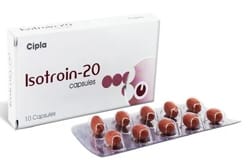
Buy Isotroin Online: Best Prices and Fast Shipping
Isotroin Dosage Patterns
Walking into a pharmacy or browsing online can feel like wandering through a thick fog without a compass. When it comes to Isotroin, the numbers on the label are more than just digits; they act as the blueprint for your skin’s transformation. Finding a rhythm that works requires patience and a steady hand so you aren’t just chasing shadows.
Most people start at base camp. For many, this means a low-dose regimen designed to ease the body into the process. It is a lot like dipping your toes into a cold pool before diving into the deep end. Skipping this step often leads to unnecessary discomfort that can derail your progress before it even begins.
Dosage isn’t a one-size-fits-all garment. What works for your neighbor might be a total mismatch for your unique biology. Doctors often tailor the milligram count based on how severe your acne is. This personalized approach ensures that the medicine works with your body rather than against it during those intense initial phases.
Consistency is the golden rule here. If you treat your dosage like a suggestion rather than a schedule, you might find yourself spinning your wheels. Taking your pills at the same time each day keeps the levels in your bloodstream steady. This prevents the roller coaster effect that so many patients dread.
The Mathematics of Milligrams
Understanding the scale of your treatment is crucial for long-term success. Generally, clinicians look at two distinct phases: induction and maintenance. It is a marathon, not a sprint. Dosage levels often shift as your skin begins to clear up and stabilize over the months.
During the initial weeks, the dose might seem small, almost like a drop in the bucket. However, this sets the stage for the heavy lifting later on. You might see a gradual increase in milligrams as your physician observes how your liver and skin respond to the active ingredients.
Some users find they require a higher concentration to tackle cystic acne that has been stubborn for years. It is a delicate balancing act between getting results and managing side effects. Think of it like tuning a high-performance engine; too little power and you go nowhere, but too much can cause heat.
Monitoring your bloodwork is a non-negotiable part of this mathematical dance. Your doctor will check lipid levels and liver enzymes to ensure everything is running smoothly. These tests act as the guardrails that keep you on the safe side of the dosing spectrum throughout your entire treatment cycle.
| Phase of Treatment | Typical Approach | Primary Goal |
| Induction | Low-dose daily | Minimize side effects |
| Active Treatment | Escalating dosage | Clear deep acne |
| Maintenance | Tapering dose | Prevent relapse |
Cost and Commitment
Let’s talk turkey regarding the financial aspect of this journey. While the medication itself is a significant investment, the total cost of a full course can add up quickly. You should budget not just for the pills, but for the frequent doctor visits and lab work required to stay safe.
A standard three-month supply might start around $150, but prices fluctuate depending on the pharmacy and your insurance coverage. It is wise to shop around or use discount programs to keep your out-of-pocket expenses from ballooning. Being smart with your money is as important as being smart with your skin.
I remember a friend who tried to save a few bucks by skipping his monthly blood tests. That decision ended up costing him much more in emergency doctor visits and extra medications. In this scenario, the cheapest route is rarely the safest or the most effective way to reach your goal.
Keep a ledger of your expenses to avoid any nasty surprises. Between the $50 copays and the $25 lip balms you’ll need to combat dryness, the costs can sneak up on you. Being prepared for the financial commitment ensures that your focus stays on healing rather than your bank account.
- Always follow the specific milligram instructions provided by your dermatologist.
- Never double up on doses if you miss a day; just get back on track.
- Keep a log of any sudden changes in how you feel physically.
- Budget for supplemental skincare products like heavy moisturizers and SPF.
Decoding the Price Tag of Isotroin
Pulling back the curtain on the financial side of Isotroin can feel like staring into a storm. It isn’t just about a single transaction at the pharmacy counter; it is a multi-layered commitment. You have to look beyond the plastic bottle and consider the entire ecosystem of care required to use this treatment safely.
Many people walk into a dermatologist’s office thinking they only need to budget for the medication itself. That is a common trap that can leave your wallet feeling quite light. When you factor in the mandatory blood panels, the specialized skincare, and the follow-up consultations, the numbers climb higher than most expect.
Think of it like owning a vintage car. The purchase price is just the beginning. You have to account for the fuel, the regular tune-ups, and the unexpected repairs that pop up along the way. With Isotroin, those “repairs” are the essential medical checks that ensure your internal organs are handling the medication without any hiccups.
It is vital to approach this journey with a clear financial roadmap. If you treat your budget as an afterthought, you might find yourself hitting a wall halfway through your cycle. Planning ahead allows you to focus on your skin’s transformation rather than worrying about whether you can afford next month’s lab work.
Breaking Down the Expenses
When you sit down to crunch the numbers, it helps to see the big picture. Prices can swing wildly depending on whether you are using a generic manufacturer or a brand-name option. Additionally, your insurance provider plays a massive role in determining whether you pay a small co-pay or the full retail amount.
Some patients find significant savings by utilizing manufacturer coupons or wellness programs. These can act as a life raft when the monthly costs start to feel like they are pulling you under. However, always verify these discounts with your pharmacist first to ensure they are valid for your specific prescription.
Below is a simplified breakdown of how different purchasing options might look in terms of your monthly or quarterly budget. Please keep in mind that these figures are estimates and can vary based on your location and specific medical needs.
| Option Type | Estimated Quantity | Estimated Cost |
|---|---|---|
| Standard Pharmacy (No Insurance) | 30-day supply | $120 |
| Insurance Co-pay (Standard Plan) | 30-day supply | $45 |
| Bulk Purchase (3-Month Supply) | 90-day supply | $310 |
| Premium Brand Option | 30-day supply | $280 |
Hidden Costs of the Journey
Beyond the pills themselves, there are several “stealth” expenses that tend to creep into your monthly spending. For instance, the dryness caused by Isotroin is no joke; it can be quite punishing. You will likely find yourself buying high-end, non-comedogenic lip balms and thick emollients much more frequently than you did before.
Sun protection is another non-negotiable expense. Because the medication makes your skin incredibly sensitive to UV rays, a high-quality, broad-spectrum sunscreen becomes your best friend. You shouldn’t skimp on this, as a cheap sunscreen might not provide the heavy-duty protection your skin needs during this sensitive time.
I once knew a patient who was so focused on the cost of the medication that they ignored the need for a gentle, hydrating cleanser. They ended up spending an extra $100 on soothing creams to fix the irritation caused by their harsh, old skincare. It was a costly lesson in the importance of holistic preparation.
Ultimately, the goal is to create a sustainable financial environment for your healing. If you can anticipate these secondary costs, you won’t feel blindsided when the pharmacy bill arrives. Treat your budget with the same precision your doctor treats your dosage, and you will find the path much smoother.
Where to Secure Your Prescription Safely
Navigating the pharmacy landscape can feel like wandering through a dense fog without a compass. You want the medication, but you also want the peace of mind that comes with knowing it is authentic. Chasing the lowest price online might seem tempting, but it often leads to a dead end filled with counterfeit products.
The golden rule is simple: never buy Isotroin from a website that doesn’t require a valid prescription from a licensed physician. If a site offers a “no prescription needed” deal, run the other way. It is a massive red flag that usually signals shady operations or dangerous, unregulated substances.
Stick to the established players in the medical field to avoid a headache. This means using your local pharmacy, a reputable mail-order service through your insurance, or a verified digital pharmacy. These entities follow strict protocols to ensure that what is on the label is actually inside the bottle.
The Gold Standard of Procurement
Your primary route should always be your dermatologist’s preferred pharmacy. They have already vetted the supply chain and know exactly which providers deliver high-quality batches. It is the safest way to ensure your treatment remains consistent and effective from the very first pill to the very last.
If you prefer the convenience of home delivery, look for pharmacies that are VIPPS (Verified Pharmacy Program) accredited. These organizations act as a watchdog, ensuring that online retailers meet rigorous standards for safety and quality. It is like having a security guard for your doorstep, making sure only the good stuff arrives.
Don’t be afraid to ask your doctor for a list of “preferred pharmacies” within your insurance network. Often, these specific retailers have negotiated rates that can save you a significant chunk of change. It is a small bit of legwork that pays off tremendously when you see your monthly statement.
When you are shopping around, keep a sharp eye on these specific markers of legitimacy to ensure you aren’t being taken for a ride:
- A physical address and a working phone number listed on the website.
- The ability to easily communicate with a licensed pharmacist.
- Clear, transparent pricing that doesn’t require “hidden” membership fees.
- A valid, verifiable prescription requirement for all controlled substances.
Comparing Your Sourcing Options
Every person’s situation is unique, and what works for one might be a financial disaster for another. Some people find that the convenience of a local corner drugstore is worth the slightly higher price tag. Others might prefer the logistical ease of a large-scale mail-order system that syncs with their insurance.
I remember a friend who tried to save a few bucks by using an unverified international vendor. He ended up waiting three weeks only to receive a package that looked more like a box of candy than medical supplies. It was a stressful mess that ultimately cost him more in time and anxiety than he saved.
To help you weigh your choices, I have put together a quick comparison of the most common ways people acquire their prescriptions. This should give you a bird’s-eye view of the landscape as you decide which path fits your lifestyle and your wallet.
| Sourcing Method | Safety Rating | Convenience | Cost Factor |
|---|---|---|---|
| Local Retail Pharmacy | Extremely High | High (In-person) | Moderate |
| Insurance Mail-Order | High | Very High | Low |
| Verified Online Pharmacy | High | High | Moderate |
| Unverified/International | Extremely Low | Low | Variable |
Isotroin Versus Other Retinoids
The Power of Oral Isotretinoin
When we talk about Isotroin, we are entering the heavy-hitting territory of dermatology. Unlike many over-the-counter creams that merely scratch the surface, this systemic approach works from the inside out. It is like a specialized strike team targeting the very root of the problem, rather than just painting over the damage.
Most people start their acne journey with topical retinoids like Adapalene or Tretinoin. While these can be effective for mild cases, they often feel like bringing a knife to a gunfight when dealing with severe nodules. They can be messy, irritating, and sometimes leave your skin feeling like parched desert sand.
Isotroin operates on a completely different level of intensity. Because it is an oral medication, it regulates sebum production and skin cell turnover throughout your entire body. It doesn’t just treat the flare-ups; it fundamentally alters how your skin behaves, providing a level of control that creams simply cannot match.
Think of it as the difference between cleaning up a leak and replacing the plumbing. While topical treatments are great for maintenance, Isotroin is designed for those who need a total overhaul of their skin’s biological processes to achieve lasting, clear results.
Comparing Topical and Oral Options
It is helpful to view these treatments as different tools in a toolbox. If you have a small scratch, you use a bandage; if the foundation is cracked, you need a specialist. Many patients find themselves bouncing between different creams for years, hoping for a miracle that never quite arrives.
Topical retinoids are often the first line of defense for a reason. They are accessible and carry a lower risk of systemic side effects. However, the “purging” phase can be brutal, and many users find that the redness and peeling become a permanent resident on their faces.
Isotroin, on the other hand, is a heavy lifter. It is reserved for the most stubborn cases where nothing else has worked. While the side effects can be more intense, the potential for long-term remission is significantly higher than with any topical cream you will find on a drugstore shelf.
Let’s look at how these options stack up when you put them side-by-side in a direct comparison of their primary characteristics and intended use cases:
| Treatment Type | Primary Method | Intensity Level | Typical Goal |
|---|---|---|---|
| Topical Retinoids | Applied to skin | Low to Moderate | Mild to Moderate Acne |
| Isotroin (Oral) | Systemic ingestion | Very High | Severe/Cystic Acne |
| Benzoyl Peroxide | Spot treatment | Low | Inflammatory Acne |
The Cost of Clarity
Money is always a factor when navigating the world of prescription skincare. You might find a high-end topical serum for $80, but it may only provide temporary relief. It feels like throwing good money after bad if the breakouts return the moment you stop applying it.
Isotroin is often a more significant upfront investment. Between the initial consultation, regular blood work, and the monthly prescriptions, the costs can add up quickly. However, many patients argue that the price of a clear complexion is worth every single cent spent.
I once spoke to a man who spent nearly $2,000 over two years on various “miracle” creams and expensive washes. He eventually switched to Isotroin, and despite the higher immediate cost of the pills, his skin remained clear long after the treatment ended. He saved money in the long run by avoiding the cycle of constant product replacement.
When calculating your budget, remember to account for the “hidden” costs of oral treatment. You will likely need high-quality moisturizers and lip balms to combat the inevitable dryness. It is better to budget for these essentials now than to be caught off guard when your skin starts to feel thirsty.